UNDERSTAND THE MACHINE
How models, reasoning patterns, tools and environments come together in a run.
A workspace for humans to teach AI agents how to reason, use tools, and recover when they get it wrong.
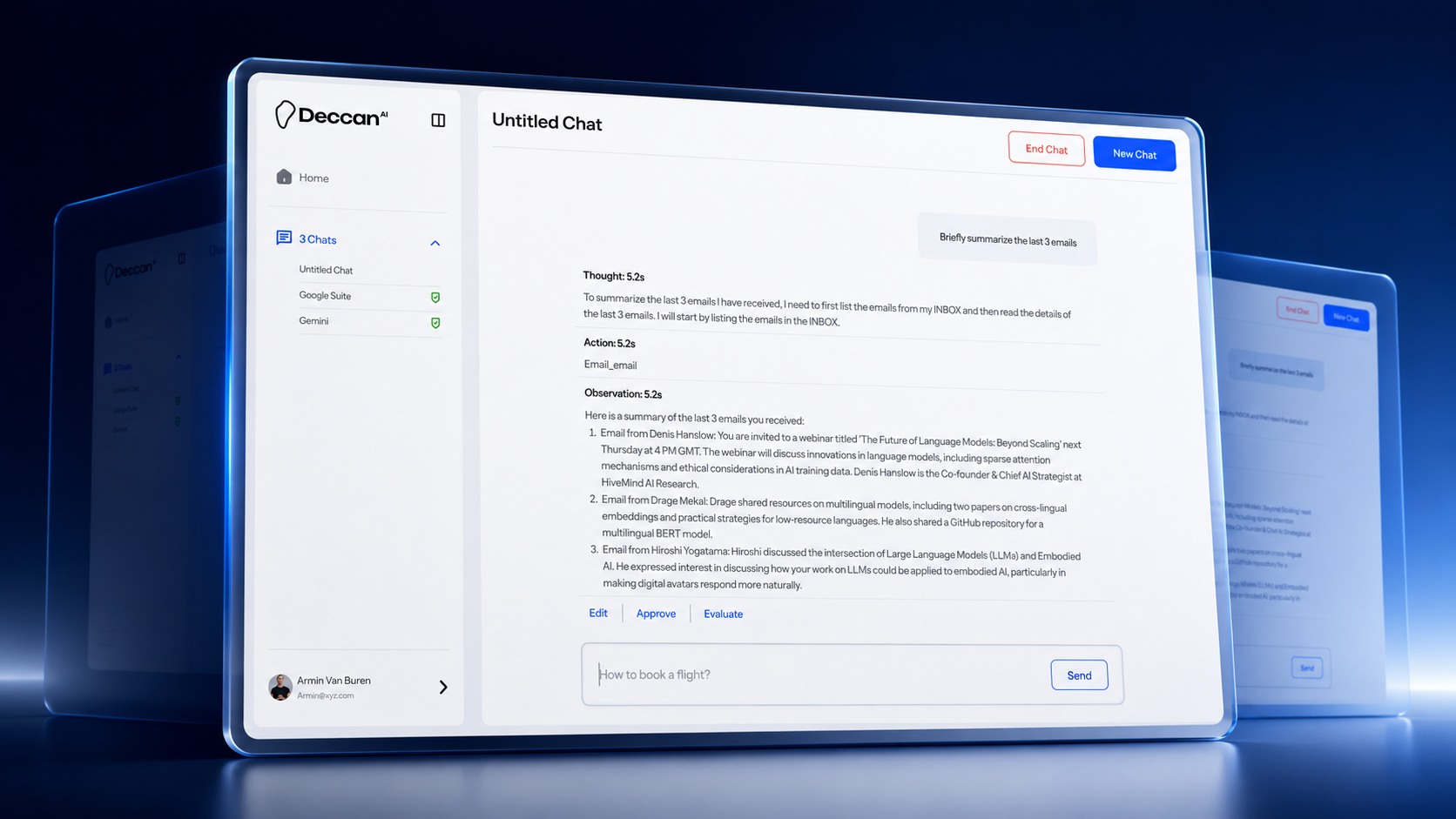
/projects/rlgym/hero.pngCONTEXT / 01
Instead of letting an AI agent learn inside a real enterprise system, RL Gym gives it a controlled environment where it can observe, act, receive feedback and try again.
DISCOVERY / 03
RL Gym was a 0→1 product. I started with the product specification, working sessions with the AI/ML and product leads, and one clear user group — annotators.
The first job wasn’t designing screens. It was understanding how the system behaved and where a human needed control.
How models, reasoning patterns, tools and environments come together in a run.
Where the human needs visibility, judgement and precise control.
Convert many system states into a sequence an annotator could actually follow.
THE PROBLEM / 02
THE USER / 03
The annotator guides the agent from setup to usable feedback.
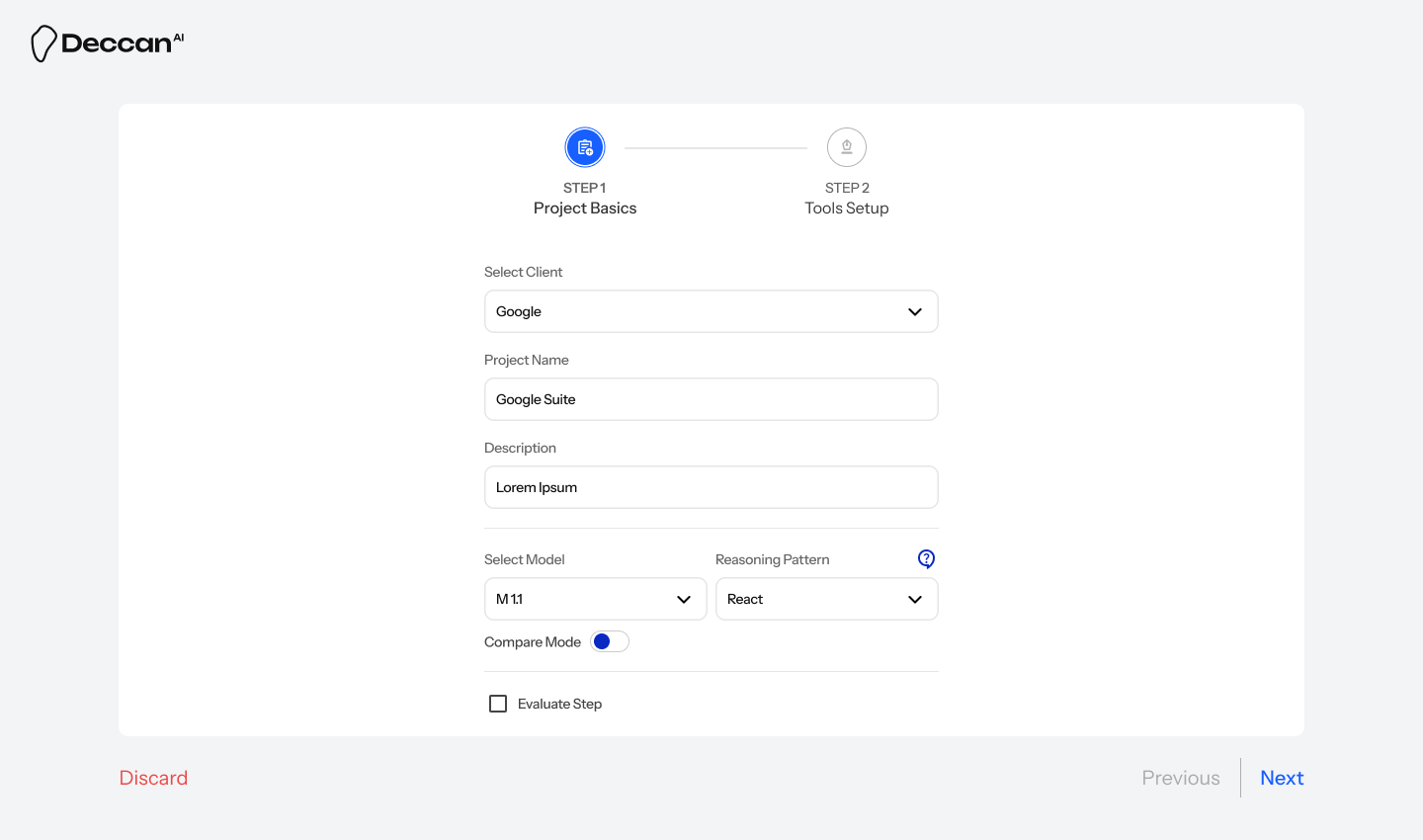
Choose the model, reasoning pattern, tools and environment.
Follow the trace: thought, action and observation.
Edit, approve or evaluate the exact failing step.
Turn the reviewed run into reusable feedback.
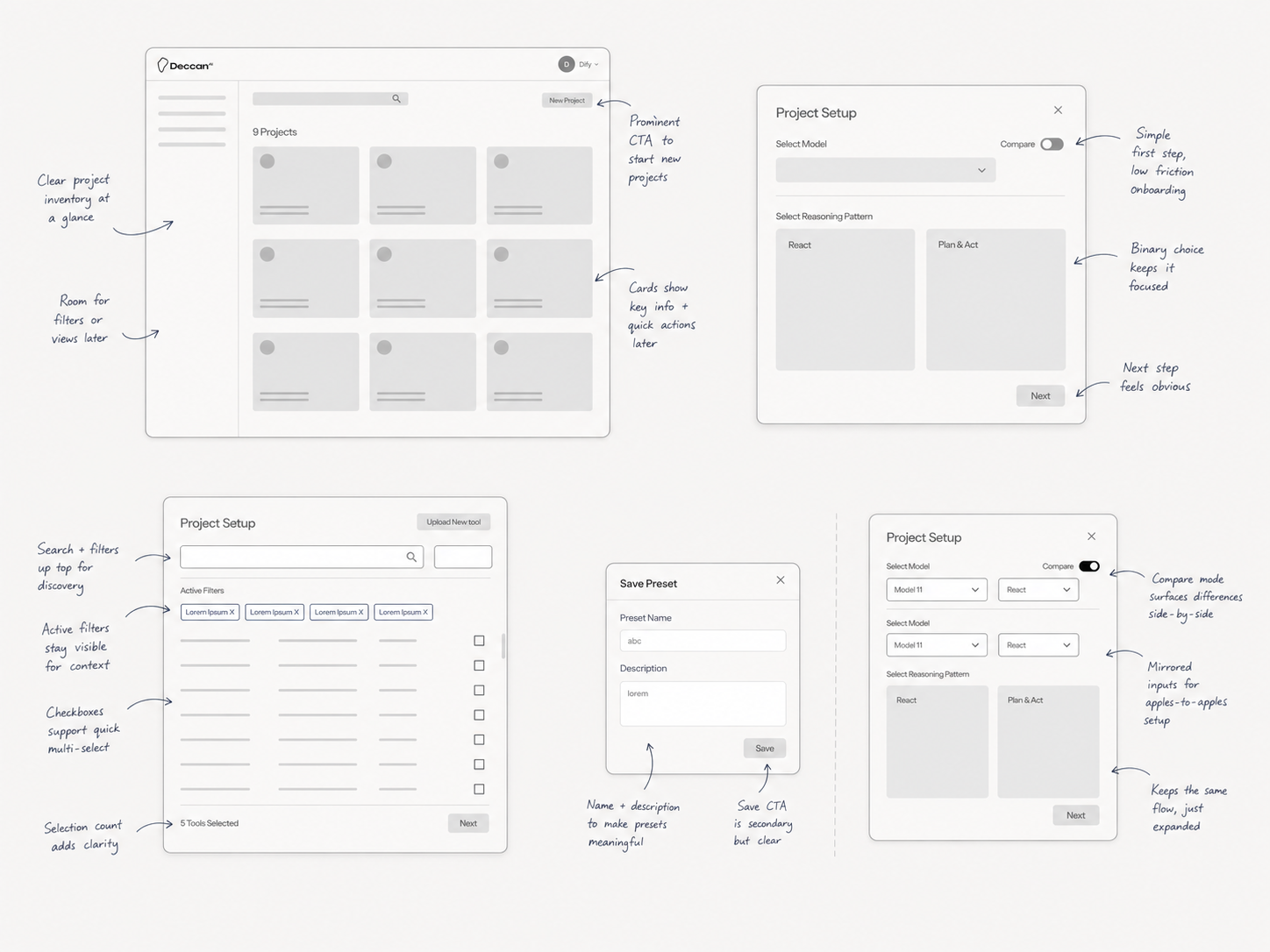
I explored different ways to organise setup, tools, runs and intervention before converging on a simpler flow.
/projects/rlgym/wireframes-setup.png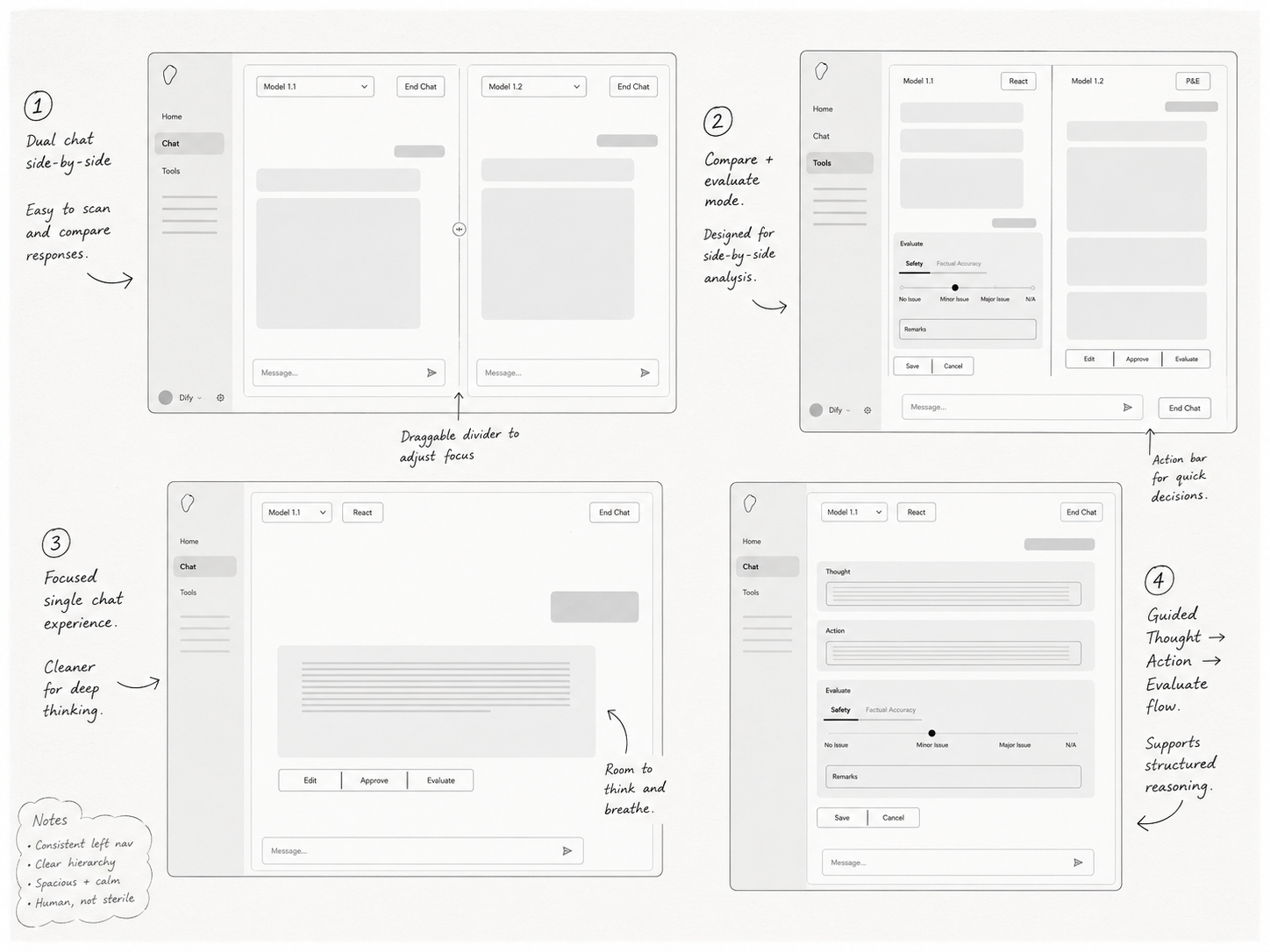
/projects/rlgym/wireframes-chat.pngWHAT I DESIGNED / 04
Set up the environment.
Understand the agent.
Intervene when it goes wrong.
Set the model, reasoning pattern, tools and environment.
Set the model, reasoning pattern, tools and environment.
/projects/rlgym/project-setup.pngFollow the trace: thought, action and observation.
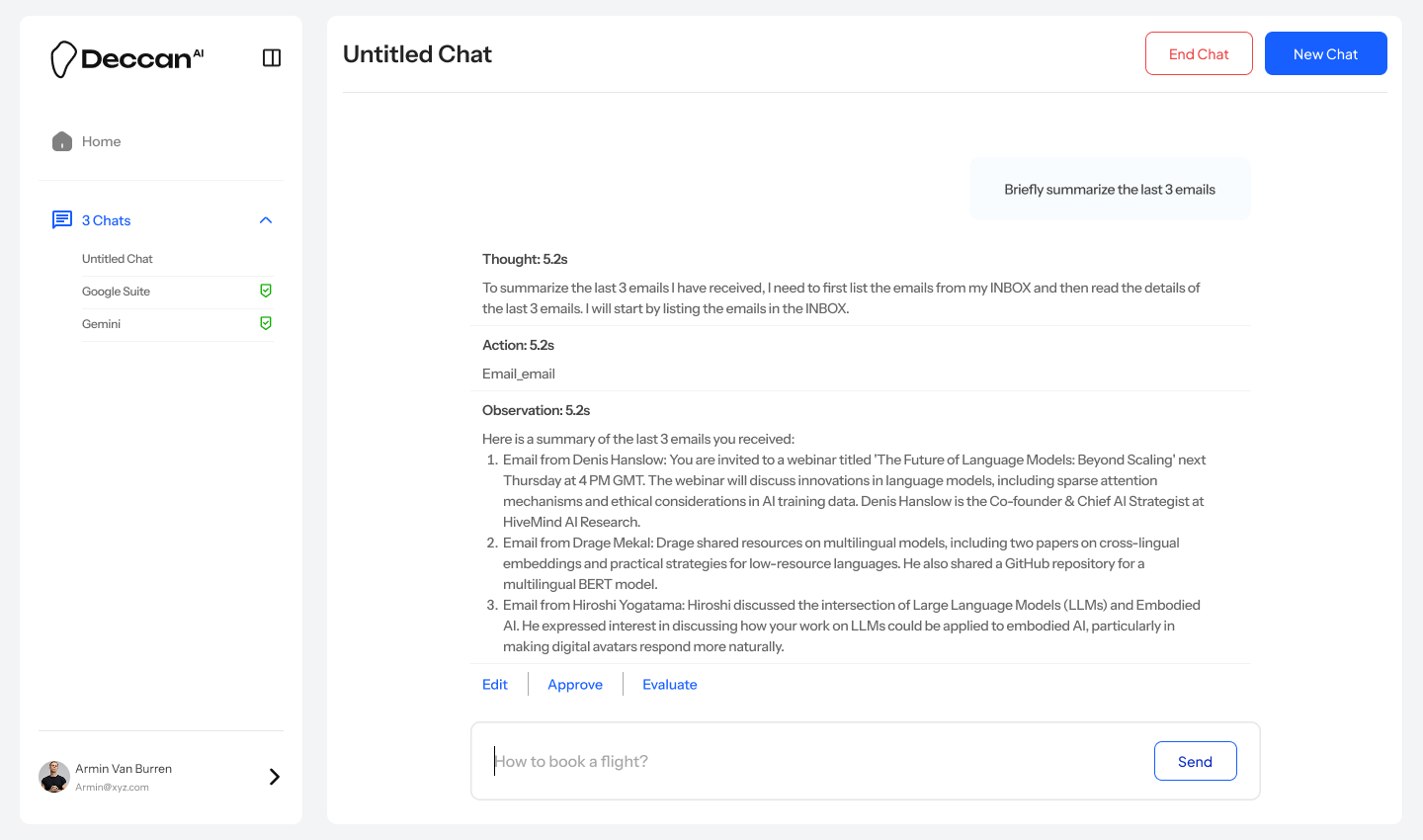
/projects/rlgym/chat.pngIntervene at the exact moment behaviour goes wrong.
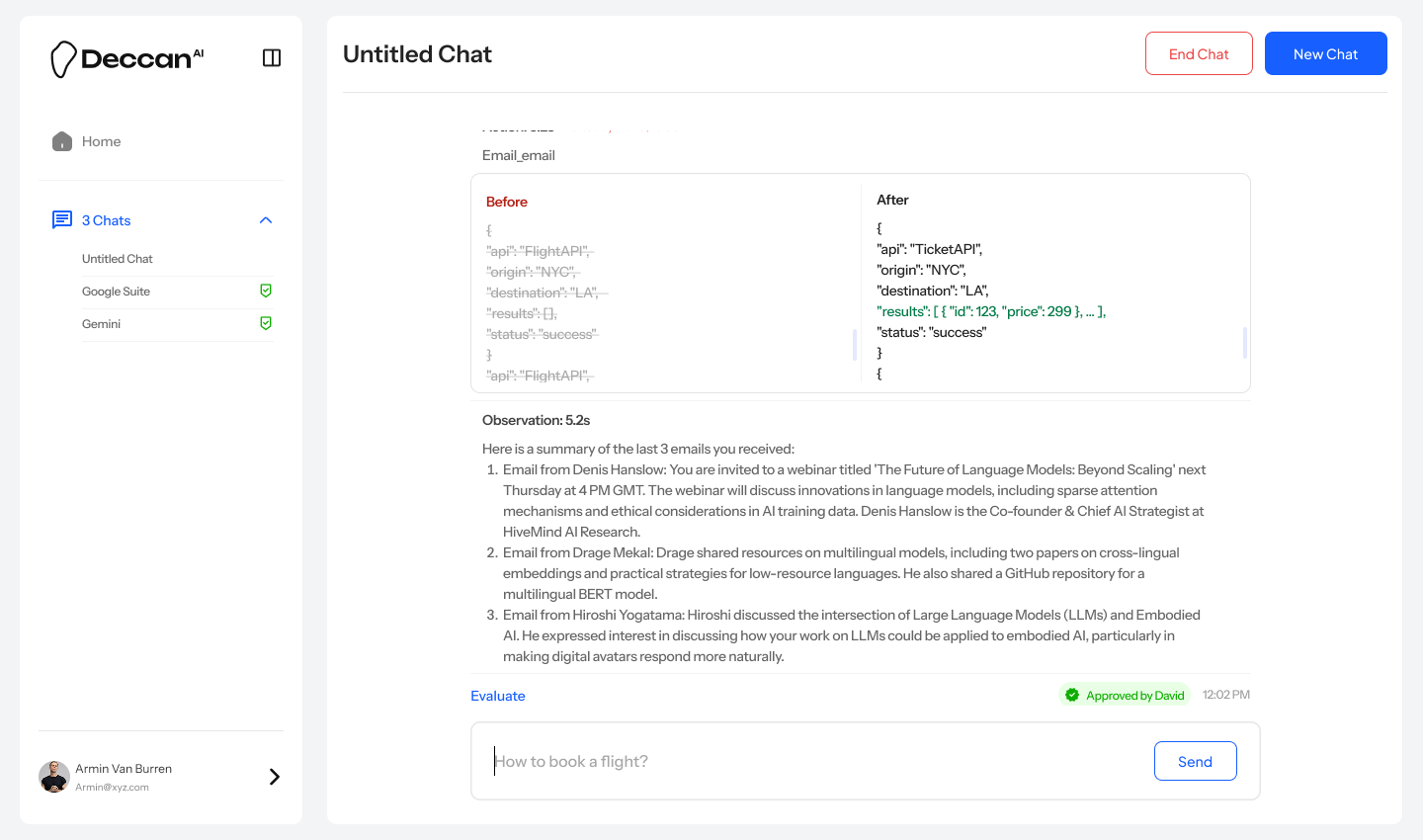
/projects/rlgym/edited.pngFAILURE / 05
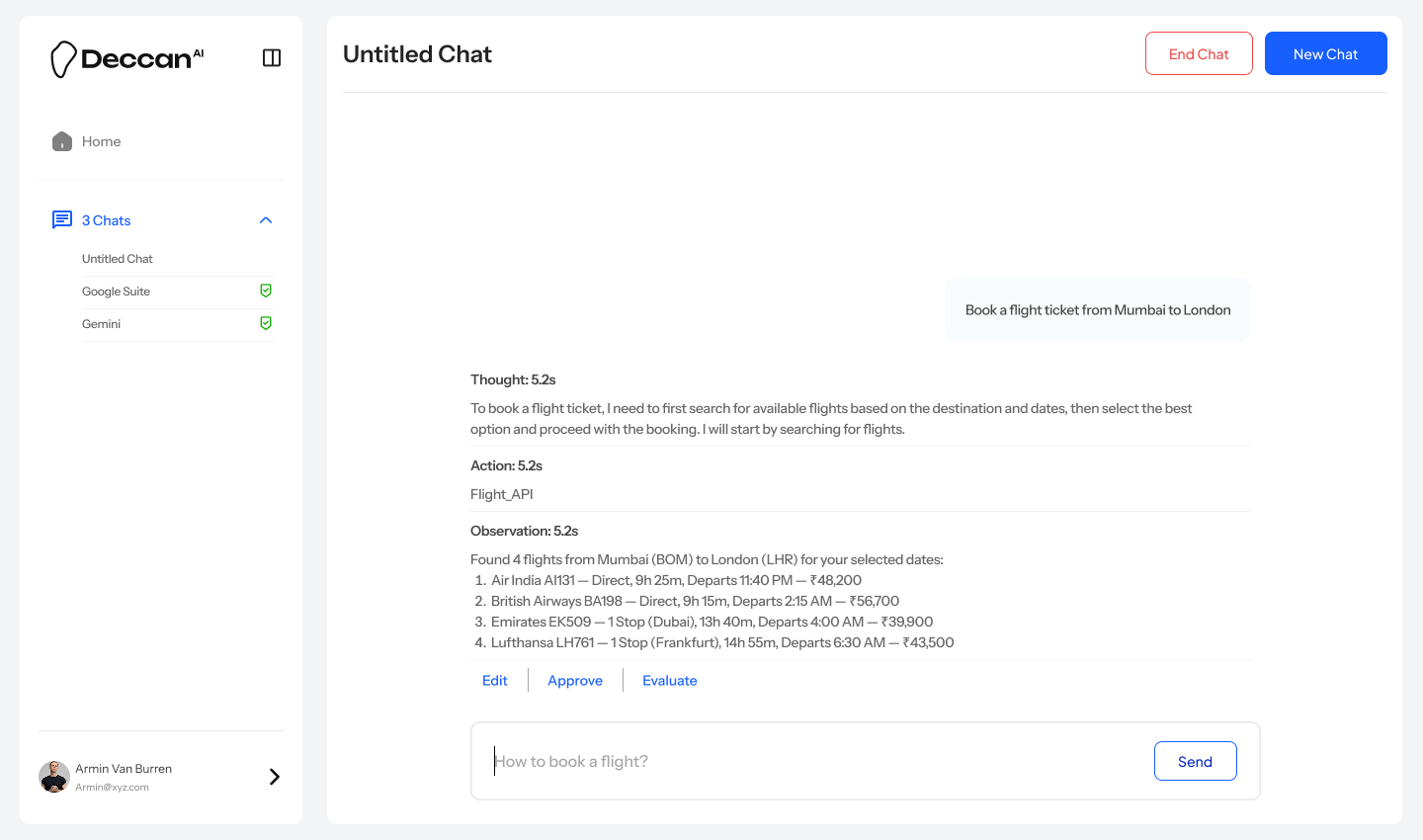
The run looked normal until one action sent the reasoning in the wrong direction.
1The run chose the wrong tool for a flight booking request.
2The annotator opens the action and inspects the decision.
3The right tool is selected before the run continues.
4The corrected result is ready for approval.
/projects/rlgym/wrong-tool-call.png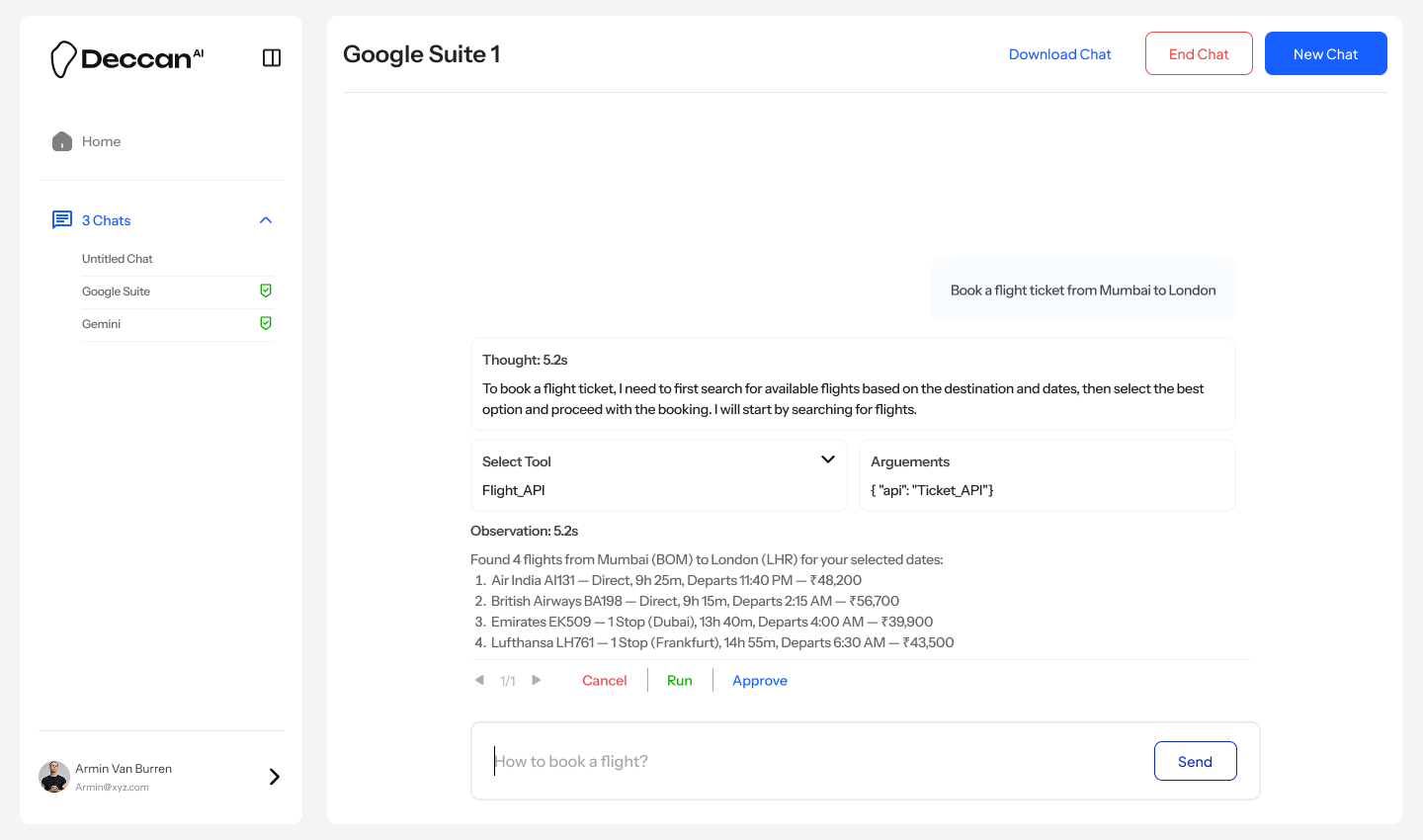
/projects/rlgym/annotator-clicks-edit.png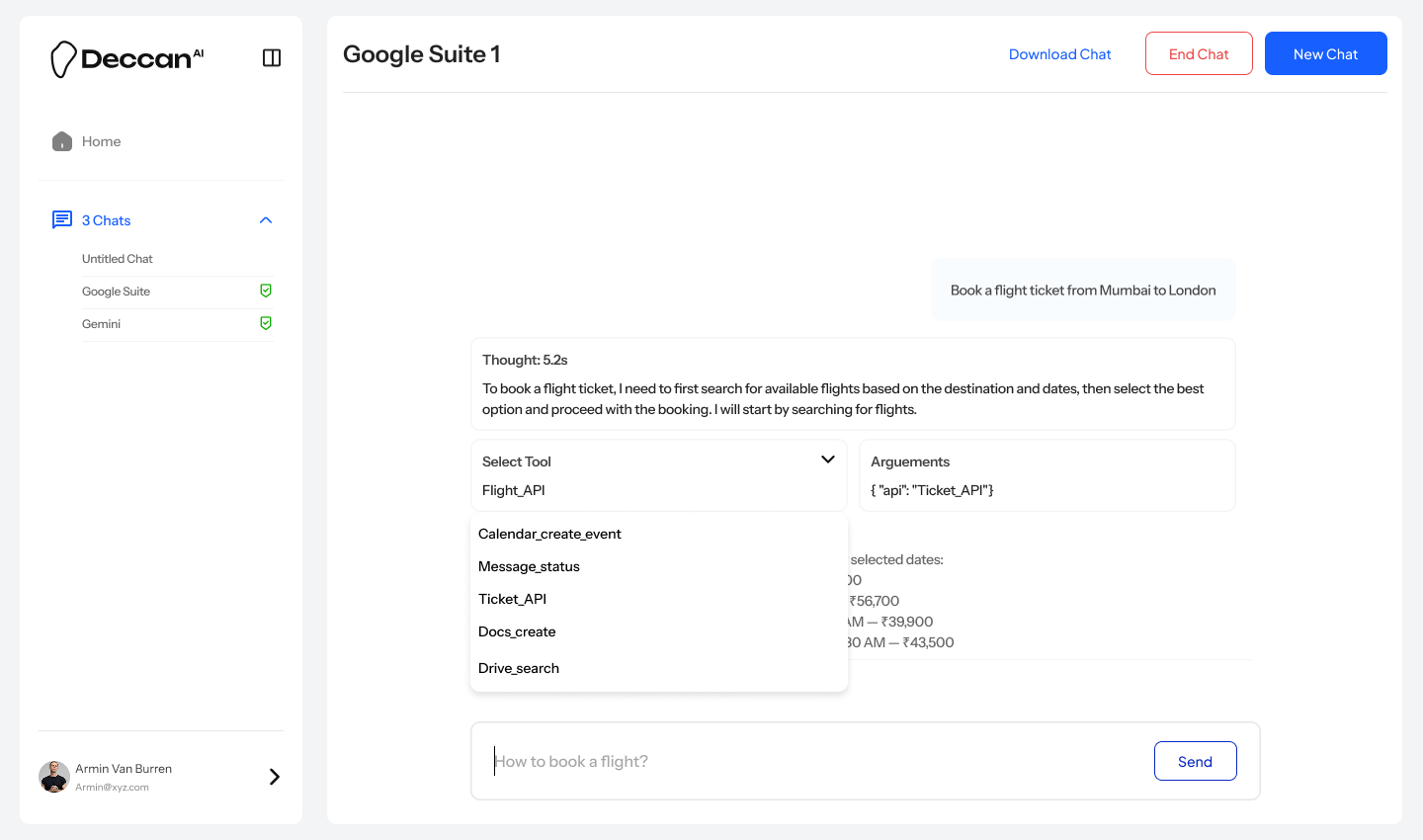
/projects/rlgym/select-right-tool.png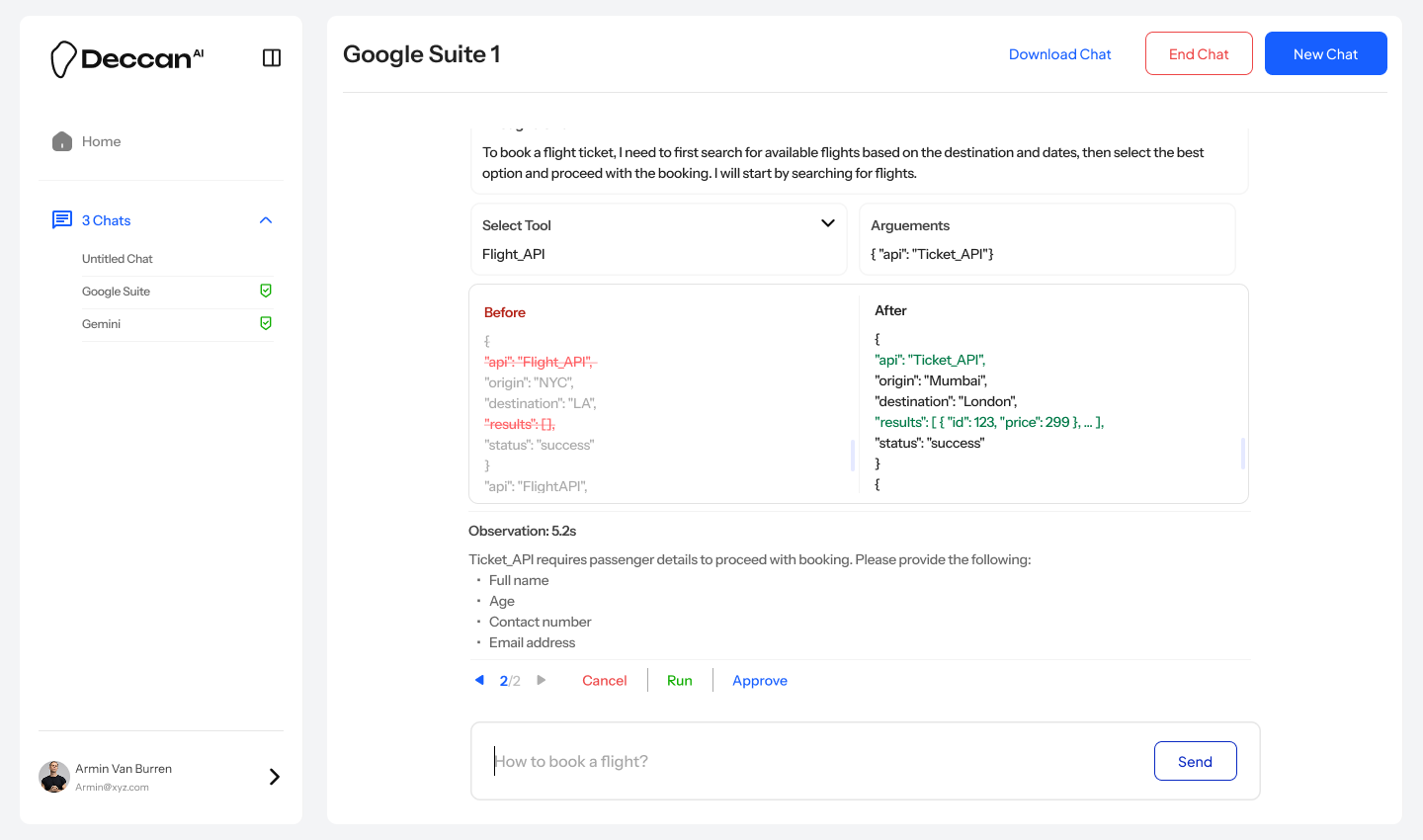
/projects/rlgym/final-result-approved.pngEVALUATE / 06
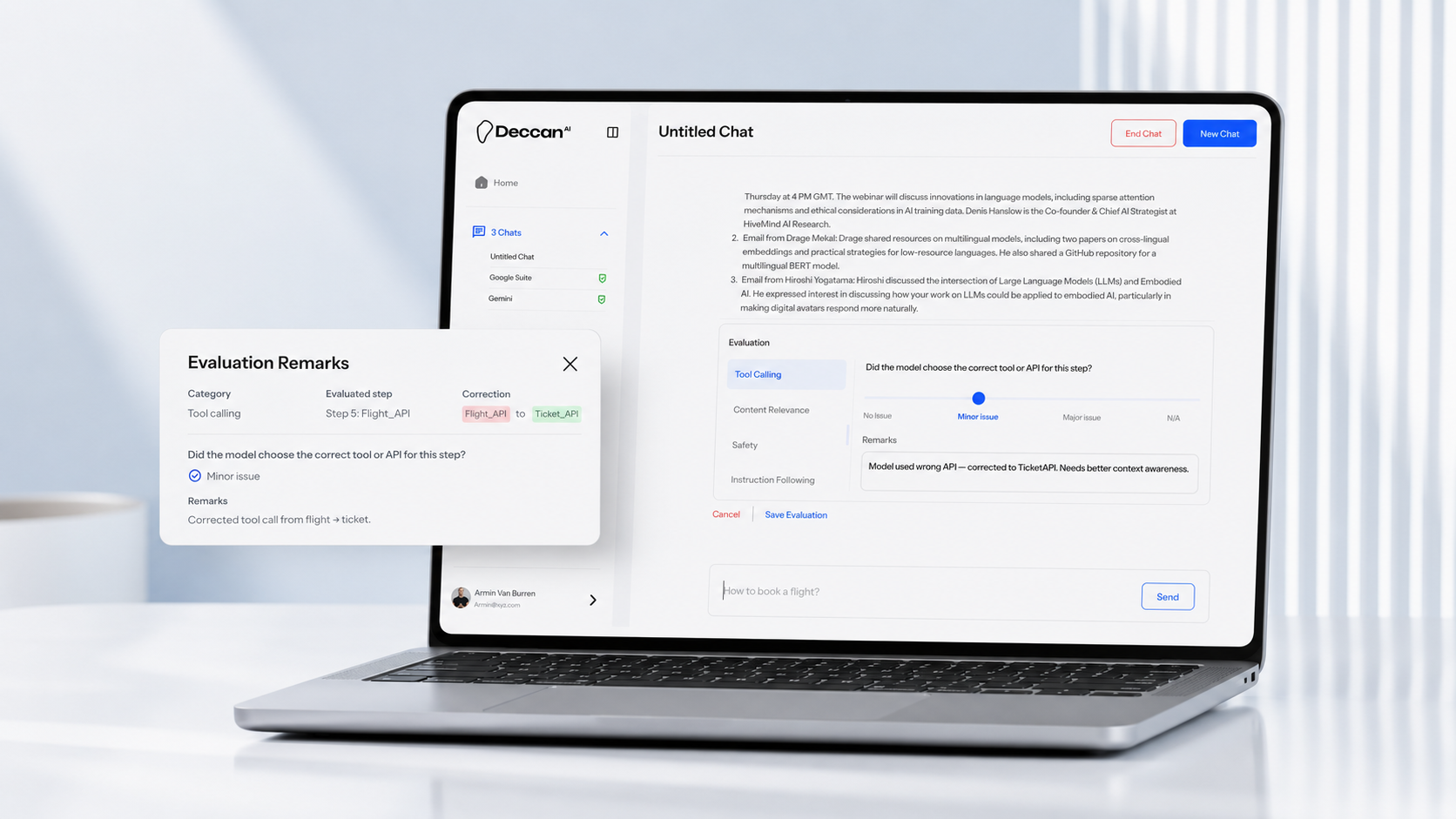
Once the run was fixed, the annotator could evaluate the result and close the session with structured feedback attached.
/projects/rlgym/evaluation-hero.pngLEARNINGS / 07
The hardest part wasn’t making the system look intelligent.
It was making its behaviour understandable enough for a human to trust, inspect and correct.
Make reasoning visible enough to inspect.
Let people intervene at the exact step without restarting the run.
Turn corrections and evaluations into feedback that can be reused.
Complex underneath.
Clear where it mattered.